
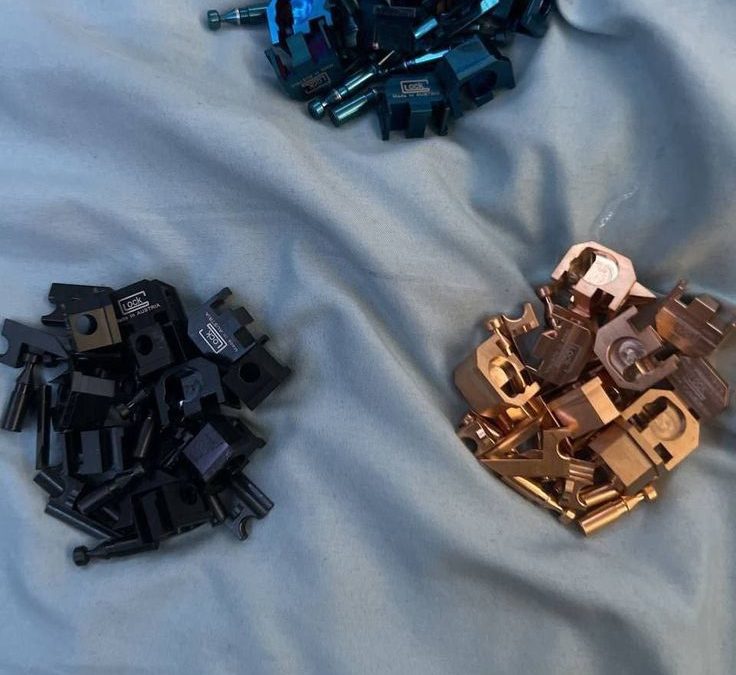
The Comprehensive Guide to Glock Switch Parts: Understanding Firearm Modifications, Legal Frameworks, and Responsible Ownership
Introduction: Navigating the Complex Landscape of Firearm Conversion Devices
In contemporary discourse surrounding firearms, few topics have generated as much intense debate, legal scrutiny, and public concern as the phenomenon known colloquially as the “Glock switch.” This diminutive yet profoundly consequential device has emerged as a focal point in discussions among firearm enthusiasts, law enforcement professionals, legal experts, policymakers, and concerned citizens across the nation. But what precisely constitutes a Glock switch, and why has this particular modification device catalyzed such widespread controversy and regulatory attention?
This comprehensive exploration aims to provide an exhaustive examination of Glock switch parts, demystifying their mechanical functionality, dissecting the intricate legal frameworks governing their possession and use, and addressing the multifaceted ethical considerations that surround these conversion devices. Through detailed case studies, expert analysis, and thorough investigation of regulatory landscapes, we will illuminate the complex world of firearm modifications, offering clarity on a subject that continues to generate significant debate throughout the United States and beyond.
At Glock Switch Parts, we recognize the critical importance of providing accurate, comprehensive information about firearm modifications while emphasizing the paramount importance of legal compliance, responsible ownership, and public safety. This guide serves as an authoritative resource for understanding the technical, legal, and ethical dimensions of these controversial devices, ensuring that readers are fully informed about the serious implications associated with firearm conversion mechanisms.
Understanding Glock Switch Parts: A Comprehensive Technical Analysis
Defining the Glock Switch: Fundamental Concepts and Terminology
A Glock switch, also referred to in various contexts as an auto sear, conversion switch, selector switch, or automatic conversion device, represents a compact yet mechanically significant component designed to fundamentally alter the firing mechanism of a semi-automatic Glock pistol. This modification device transforms the firearm’s operational characteristics, converting it from a semi-automatic weapon (requiring individual trigger pulls for each discharge) into a fully automatic firearm capable of continuous fire with sustained trigger engagement.
The implications of this transformation extend far beyond mere mechanical alteration. By enabling a standard Glock pistol to discharge multiple rounds in rapid succession with a single trigger pull, the device dramatically increases the weapon’s rate of fire, fundamentally changing its classification under United States federal firearms law and subjecting it to stringent regulatory oversight as a machine gun under the National Firearms Act.
The Mechanical Engineering Behind Glock Switch Parts: How Conversion Devices Function
To fully comprehend the significance and controversy surrounding Glock switch parts, one must first understand the fundamental mechanical principles that govern semi-automatic versus fully automatic firearm operation.
Semi-Automatic Operation: The Standard Configuration
In its factory-standard configuration, a Glock pistol operates as a semi-automatic firearm. This operational mode requires the shooter to execute a complete trigger pull for each round discharged. The firing sequence proceeds as follows:
- Trigger Engagement: The shooter applies pressure to the trigger, initiating the firing sequence
- Sear Release: The trigger mechanism releases the firing pin or striker
- Cartridge Discharge: The firing pin strikes the primer, igniting the propellant and discharging the projectile
- Slide Cycling: Recoil energy drives the slide rearward, extracting and ejecting the spent casing
- Chambering: As the slide returns forward under spring tension, a fresh cartridge is stripped from the magazine and chambered
- Reset Requirement: The trigger must be fully released and re-engaged to fire the next round
This semi-automatic cycle ensures controlled, deliberate fire, with each discharge requiring conscious trigger manipulation by the shooter.
Fully Automatic Conversion: The Impact of Glock Switch Parts
When a Glock switch is installed on a pistol, the fundamental firing mechanism undergoes critical modification. The device alters or bypasses the disconnector mechanism, the component responsible for requiring a trigger reset between shots. With Glock Switch Parts installed, the operational sequence changes dramatically:
- Initial Trigger Engagement: The shooter pulls the trigger, initiating the first discharge
- Continuous Cycling: Rather than requiring trigger release and re-engagement, the modified mechanism allows the firearm to continue cycling automatically
- Sustained Fire: The weapon continues discharging rounds in rapid succession as long as the trigger remains depressed and ammunition remains available
- Dramatically Increased Rate of Fire: The firearm can discharge rounds at rates comparable to military-grade automatic weapons, potentially exceeding 1,000 rounds per minute
This transformation is achieved through relatively simple mechanical intervention. The Glock switch typically manipulates the sear engagement system, preventing the disconnector from performing its designed function of interrupting the firing cycle between shots.
Glock Switch For Sale
Technical Specifications and Variations of Glock Switch Parts
Glock switch parts manifest in numerous designs, configurations, and materials, though all share the fundamental purpose of converting semi-automatic operation to fully automatic capability. Understanding these variations provides insight into the challenges facing regulatory enforcement and the accessibility concerns that have prompted legal action.
Design Variations and Manufacturing Methods
Traditional Machined Components: Early Glock switch designs typically consisted of precision-machined metal components, often manufactured from steel or aluminum alloys. These devices required some degree of machining expertise and access to metalworking equipment.
Polymer and Composite Designs: More recent iterations have incorporated polymer materials and composite construction, reducing manufacturing complexity and cost while maintaining functional effectiveness.
3D-Printed Devices: Perhaps most concerning from a regulatory perspective, the emergence of 3D printing technology has enabled the production of functional Glock switch parts using readily available desktop 3D printers and downloadable digital files. This technological development has dramatically complicated enforcement efforts and increased accessibility.
Hybrid Designs: Some sophisticated versions incorporate both metal and polymer components, optimizing durability while minimizing manufacturing complexity.
Installation Characteristics and Accessibility Concerns
One factor contributing significantly to the controversy surrounding Glock Switch Parts is the relative simplicity of installation. Unlike many firearm modifications requiring specialized tools, technical expertise, or permanent alterations to the host weapon, Glock switches typically feature:
- Tool-Free Installation: Many designs can be installed without specialized gunsmithing tools
- Non-Permanent Modification: The device often attaches externally or with minimal internal modification
- Rapid Installation: The conversion process can frequently be completed in minutes
- Reversibility: The modification can typically be reversed by removing the device
- Concealment Potential: The compact size of most designs allows for easy concealment
These characteristics have raised substantial concerns among law enforcement agencies and policymakers, as they lower the barriers to illegal conversion and complicate detection efforts.
The Role of Responsible Firearm Maintenance in the Broader Discussion
While Glock Switch Parts focuses on providing comprehensive information about conversion devices, it’s essential to acknowledge the broader context of responsible firearm ownership, maintenance, and care. Legitimate firearm maintenance, including proper cleaning, inspection, and preservation, represents a fundamental aspect of responsible gun ownership that stands in stark contrast to illegal modifications.
Quality firearm maintenance products and practices support legal, safe firearm operation while extending weapon longevity and reliability. This distinction between legitimate maintenance and illegal modification represents a critical boundary that responsible firearm owners must understand and respect.
The Legal Landscape: Federal and State Regulations Governing Glock Switch Parts
Federal Firearms Legislation: The Regulatory Foundation
The legal status of Glock switch parts in the United States is unambiguous under federal law. These devices fall squarely within the legal definition of machine gun conversion devices, subjecting them to the most stringent regulatory controls established by federal firearms legislation. Understanding this legal framework is essential for anyone discussing, researching, or considering these devices.
The National Firearms Act of 1934: Foundational Machine Gun Regulation
The National Firearms Act (NFA) of 1934 represents the cornerstone of federal machine gun regulation in the United States. Enacted during the Prohibition era in response to the proliferation of automatic weapons among organized crime syndicates, the NFA established comprehensive controls over certain categories of firearms and devices, including:
- Machine Guns: Weapons capable of firing multiple rounds with a single trigger function
- Short-Barreled Rifles and Shotguns: Firearms with barrels below the specified minimum lengths
- Suppressors: Devices designed to reduce firearm discharge noise
- Destructive Devices: Explosive weapons and large-caliber firearms
- Any Other Weapons: A catch-all category for unusual firearms configurations
The NFA imposed several critical requirements on these regulated items:
- Registration Requirement: All NFA items must be registered with the federal government
- Transfer Tax: A $200 tax must be paid for each transfer of an NFA item
- Background Investigation: Prospective owners must undergo thorough background checks
- Approval Process: The Bureau of Alcohol, Tobacco, Firearms, and Explosives (ATF) must approve all transfers
- Record-Keeping: Detailed records must be maintained for all NFA items
Under the NFA’s provisions, Glock Switch Parts that convert semi-automatic firearms to fully automatic operation are classified as machine guns, subjecting them to all these regulatory requirements.
The Gun Control Act of 1968: Expanding Federal Oversight
The Gun Control Act of 1968 significantly expanded federal firearms regulation, establishing comprehensive licensing requirements for firearms manufacturers, importers, and dealers. This legislation was introduced:
- Federal Firearms License (FFL) System: Mandatory licensing for commercial firearms activities
- Interstate Commerce Restrictions: Limitations on interstate firearms transfers
- Prohibited Persons Categories: Expanded categories of individuals prohibited from possessing firearms
- Serial Number Requirements: Mandatory serial number marking for manufactured firearms
- Record-Keeping Mandates: Comprehensive transaction record requirements for licensed dealers
These provisions created an enforcement infrastructure that supports the regulation of devices like Glock switch parts by establishing traceability and accountability throughout the firearms distribution chain.
The Firearm Owners’ Protection Act of 1986: The Machine Gun Ban
Perhaps most significantly for the discussion of Glock Switch Parts, the Firearm Owners’ Protection Act (FOPA) of 1986 included a provision that fundamentally altered the legal landscape for machine gun ownership in the United States. Specifically, the Hughes Amendment to FOPA prohibited:
- Civilian Possession of New Machine Guns: The transfer or possession of machine guns manufactured after May 19, 1986, by civilians
- Registration Closure: The closure of the machine gun registry to new entries for civilian ownership
- Limited Exceptions: Narrow exceptions for law enforcement, military, and properly licensed manufacturers
This provision created a fixed supply of legally transferable machine guns for civilian ownership, limited to those manufactured and registered before the May 1986 cutoff date. Consequently, any Glock switch manufactured after this date cannot be legally registered for civilian ownership, rendering civilian possession categorically illegal regardless of compliance with other NFA requirements.
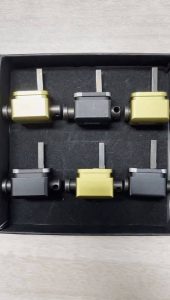
Glock Switch For Sale | Buy Glock Switch Online
ATF Enforcement and Regulatory Interpretation
The Bureau of Alcohol, Tobacco, Firearms, and Explosives (ATF) serves as the primary federal agency responsible for enforcing firearms laws, including regulations governing Glock Switch Parts. The ATF’s regulatory approach encompasses several critical dimensions:
Classification and Definition
The ATF has consistently classified Glock switches and similar conversion devices as machine guns under federal law. This classification is based on the statutory definition found in 26 U.S.C. § 5845(b), which defines a machine gun as:
“Any weapon which shoots, is designed to shoot, or can be readily restored to shoot, automatically more than one shot, without manual reloading, by a single function of the trigger… The term shall also include the frame or receiver of any such weapon, any part designed and intended solely and exclusively, or combination of parts designed and intended, for use in converting a weapon into a machine gun, and any combination of parts from which a machine gun can be assembled if such parts are in the possession or under the control of a person.”
Under this definition, Glock Switch Parts clearly constitute machine guns, as they are specifically designed and intended for converting semi-automatic firearms to fully automatic operation.
Licensing Requirements for Legitimate Possession
For the limited circumstances in which legal possession of Glock switch parts might be permissible, the ATF enforces stringent licensing requirements:
Special Occupational Tax (SOT) Status: Manufacturers and dealers of NFA items must obtain appropriate SOT status, paying annual special occupational taxes and complying with enhanced regulatory requirements.
Law Enforcement and Government Exemptions: Law enforcement agencies and military organizations may possess machine guns and conversion devices for official purposes, subject to proper documentation and authorization.
Demonstration and Research Licenses: Certain manufacturers may obtain licenses permitting possession of post-1986 machine guns for demonstration to law enforcement or military customers, or for research and development purposes.
Strict Compliance Requirements: All licensed entities must maintain meticulous records, submit to regular inspections, and comply with comprehensive regulatory requirements.
Enforcement Actions and Penalties
The ATF actively investigates and prosecutes illegal possession, manufacture, and distribution of Glock Switch Parts. Enforcement efforts include:
Criminal Investigations: Proactive investigation of illegal conversion device manufacturing and distribution networks
Online Monitoring: Surveillance of internet marketplaces, social media platforms, and websites offering illegal conversion devices
Interdiction Efforts: Coordination with customs authorities to intercept illegal imports of Glock switch parts
Prosecution: Referral of cases to federal prosecutors for criminal charges
Public Awareness Campaigns: Educational initiatives to inform the public about the illegal nature of these devices
Penalties for illegal possession, manufacture, or distribution of Glock switch parts are severe, including:
- Federal Prison Sentences: Up to 10 years imprisonment for possession, with enhanced penalties for manufacturing or distribution
- Substantial Fines: Fines up to $250,000 for individuals and $500,000 for organizations
- Forfeiture: Seizure of firearms, conversion devices, and related property
- Permanent Firearms Prohibition: Convicted felons face a lifetime prohibition on firearms possession
- Enhanced Penalties: Additional charges and enhanced sentences when conversion devices are used in connection with other crimes
State-Level Regulations: A Patchwork of Additional Restrictions
While federal law establishes a baseline prohibition on unauthorized possession of Glock Switch Parts, many states have enacted additional legislation addressing these devices and fully automatic firearms more broadly. This creates a complex regulatory landscape that varies significantly by jurisdiction.
States with Enhanced Restrictions
Many states have implemented regulations that go beyond federal requirements, including:
Categorical Bans: Some states prohibit possession of machine guns and conversion devices entirely, even for individuals who might otherwise qualify under federal law
Enhanced Penalties: Certain jurisdictions impose state-level criminal penalties in addition to federal sanctions
Assault Weapon Provisions: Some states include conversion devices within broader “assault weapon” definitions, subjecting them to additional restrictions
Registration Requirements: A few states maintain separate registration systems for NFA items, creating additional compliance obligations
States with Federal-Aligned Regulations
Other states largely defer to federal law regarding machine guns and conversion devices, imposing few additional state-level requirements beyond federal mandates.
The Importance of Jurisdictional Research
Given this regulatory complexity, individuals researching Glock Switch Parts must thoroughly investigate both federal and applicable state laws. What may be permissible (with proper federal authorization) in one jurisdiction may be categorically prohibited in another, regardless of federal compliance.
International Perspectives: Global Approaches to Conversion Device Regulation
While this guide focuses primarily on United States law, it’s worth noting that most developed nations maintain strict controls on fully automatic firearms and conversion devices. Many countries impose even more restrictive regulations than the United States, with some prohibiting civilian possession of automatic weapons entirely, regardless of licensing or registration.
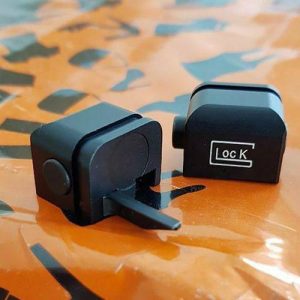
Glock Switch For Sale | Buy Glock Switch Online
The Controversy Surrounding Glock Switch Parts: Balancing Rights and Safety
The debate surrounding Glock Switch Parts encapsulates broader tensions in American society regarding firearms regulation, constitutional rights, and public safety. Understanding the various perspectives in this debate provides essential context for informed discussion.
Public Safety Concerns: The Case for Strict Regulation
Advocates for stringent regulation of Glock switch parts advance several compelling arguments centered on public safety imperatives:
Dramatically Increased Lethality
The primary concern regarding Glock Switch Parts relates to the substantial increase in firearm lethality that conversion to fully automatic operation produces. Key considerations include:
Exponentially Higher Rate of Fire: A converted Glock pistol can discharge rounds at rates exceeding 1,000 rounds per minute, compared to the much slower rate achievable with semi-automatic operation. This dramatic increase in firepower can result in significantly higher casualty rates in criminal misuse scenarios.
Reduced Accuracy and Increased Collateral Damage Risk: Fully automatic fire from a handgun platform is notoriously difficult to control, resulting in reduced accuracy and increased risk of unintended casualties. The combination of high rate of fire and poor controllability creates substantial public safety hazards.
Ammunition Capacity Limitations: Standard Glock magazines hold 15-17 rounds, which can be exhausted in approximately one second of fully automatic fire. This rapid ammunition consumption, combined with poor controllability, creates scenarios where numerous rounds are discharged with minimal accuracy, endangering bystanders.
Comparison to Military Weapons: Firearms equipped with Glock switch parts achieve rates of fire comparable to military-grade submachine guns and automatic rifles, weapons specifically designed for combat applications rather than civilian use.
Law Enforcement Challenges
The proliferation of Glock Switch Parts creates significant challenges for law enforcement agencies:
Officer Safety Concerns: Law enforcement personnel face dramatically increased danger when confronting suspects potentially armed with fully automatic weapons. The tactical considerations and response protocols differ substantially from those applicable to semi-automatic firearms.
Active Shooter Response Complications: In active shooter scenarios, the presence of fully automatic weapons can result in higher casualty rates before law enforcement can effectively respond, and can complicate tactical response once officers arrive on scene.
Resource Allocation: Addressing the threat posed by illegal conversion devices requires substantial law enforcement resources for investigation, interdiction, and prosecution, diverting resources from other public safety priorities.
Detection Difficulties: The small size and ease of concealment of Glock switch parts complicate detection efforts, as the devices can be quickly installed or removed, and may not be immediately apparent during routine encounters.
Criminal Exploitation and Gang Violence
Evidence suggests that Glock Switch Parts have been increasingly exploited by criminal organizations and individuals:
Gang-Related Violence: Law enforcement agencies have documented an increasing recovery of firearms equipped with Glock switches in connection with gang-related violence, drive-by shootings, and other criminal activities.
Drug Trafficking Connections: Conversion devices have been recovered in connection with drug trafficking operations, where the increased firepower may be perceived as advantageous for protecting illegal operations or intimidating rivals.
Ease of Acquisition: Despite their illegal status, Glock switch parts have become increasingly accessible through illegal online marketplaces, international smuggling operations, and domestic manufacturing using 3D printing technology.
Low Barrier to Conversion: The simplicity of installation means that individuals with minimal technical knowledge can convert firearms to fully automatic operation, lowering barriers to criminal acquisition of automatic weapons.
Mass Casualty Event Potential
Perhaps the most alarming concern regarding Glock Switch Parts relates to their potential use in mass casualty events:
Increased Casualty Potential: In mass shooting scenarios, the dramatically increased rate of fire enabled by conversion devices could result in substantially higher casualty counts before intervention is possible.
Soft Target Vulnerability: Crowded public spaces, schools, places of worship, and other “soft targets” are particularly vulnerable to attacks involving fully automatic weapons.
Psychological Impact: The use of automatic weapons in mass casualty events creates profound psychological trauma for survivors and communities, beyond even the direct physical harm inflicted.
Copycat Effect Concerns: High-profile incidents involving converted firearms may inspire copycat attacks, as potential perpetrators seek to maximize harm through similar means.
Second Amendment Rights: The Constitutional Perspective
Conversely, some advocates emphasize constitutional considerations and individual rights in discussions of Glock Switch Parts regulation:
Fundamental Right to Bear Arms
Proponents of expansive Second Amendment interpretation argue that restrictions on Glock switch parts implicate fundamental constitutional rights:
Constitutional Text: The Second Amendment’s language—”the right of the people to keep and bear Arms, shall not be infringed”—is cited as establishing a broad individual right to possess firearms and related devices.
Historical Context: Some argue that the Founders intended the Second Amendment to protect access to military-grade weapons, as the militia concept presumed citizen access to effective military arms.
Self-Defense Considerations: Advocates contend that individuals should have access to effective means of self-defense, potentially including firearms with enhanced capabilities.
Tyranny Prevention: Some Second Amendment advocates view civilian access to military-grade weapons as a safeguard against potential government tyranny, arguing that an armed citizenry serves as a check on government overreach.
Regulatory Overreach Concerns
Critics of strict Glock Switch Parts regulation raise concerns about government overreach:
Incremental Restrictions: Some view regulations on conversion devices as part of a broader pattern of incremental firearms restrictions that cumulatively infringe on Second Amendment rights.
Enforcement Selectivity: Concerns are raised about selective enforcement and the potential for regulations to be applied disproportionately against law-abiding citizens while failing to prevent criminal misuse.
Definitional Ambiguity: Some argue that regulatory definitions of prohibited devices are overly broad or ambiguous, potentially criminalizing innocent conduct or legitimate modifications.
Technology and Innovation: Restrictions on devices like Glock switches may be viewed as impeding technological innovation and development in the firearms industry.
Responsible Ownership Arguments
Some advocates distinguish between the devices themselves and their misuse:
User Responsibility: The argument is advanced that responsible, law-abiding citizens should not be penalized for the criminal misuse of firearms or conversion devices by others.
Education and Training: Rather than prohibition, some advocate for comprehensive education and training requirements that would enable responsible ownership of enhanced-capability firearms.
Existing Law Sufficiency: Some contend that existing laws prohibiting criminal misuse of firearms are sufficient, and that additional device-specific regulations are unnecessary and overly restrictive.
Collector and Enthusiast Interests: Legitimate collectors and firearms enthusiasts may have interest in historical or technically significant items, including automatic weapons and conversion devices, for purposes unrelated to criminal misuse.
Finding Common Ground: Potential Areas of Agreement
Despite the polarized nature of firearms debates, certain areas of potential common ground exist regarding Glock Switch Parts:
Universal Opposition to Criminal Misuse
Virtually all stakeholders—regardless of their position on firearms regulation generally—oppose criminal misuse of firearms and conversion devices. This shared concern for public safety provides a foundation for constructive dialogue.
Support for Effective Enforcement
There is broad agreement that existing laws should be effectively enforced. Ensuring that individuals who illegally possess, manufacture, or distribute Glock switch parts face appropriate consequences represents a point of consensus.
Mental Health and Intervention
Many stakeholders across the political spectrum recognize the importance of mental health resources and intervention programs in preventing violence, including violence involving firearms.
Responsible Ownership Principles
The concept of responsible firearms ownership—including proper storage, training, and compliance with applicable laws—enjoys broad support, even among those who disagree about the appropriate scope of regulation.
Technology and Detection
Investment in technology to detect illegal conversion devices and prevent their proliferation may represent an area where enhanced enforcement capabilities can be developed without necessarily expanding the scope of prohibited conduct.
Legal Pathways to Ownership: Navigating the Regulatory Framework
While civilian possession of Glock Switch Parts manufactured after May 19, 1986, is categorically prohibited under federal law, understanding the theoretical legal framework for machine gun ownership provides important context and clarifies the stringent requirements that apply to the limited universe of legally transferable automatic weapons.
The National Firearms Act Registration Process
For the limited category of machine guns manufactured and registered before the May 1986 cutoff date, legal transfer and possession require navigation of the NFA registration process:
Step One: Identifying a Legally Transferable Item
The first requirement is identifying a machine gun that was lawfully manufactured and registered before May 19, 1986. This limited supply has resulted in substantial price appreciation, with legally transferable automatic weapons often commanding prices ranging from tens of thousands to hundreds of thousands of dollars, depending on the specific model and its historical significance.
It is critical to understand that Glock Switch Parts manufactured after the 1986 cutoff date cannot be legally registered for civilian ownership, regardless of compliance with other NFA requirements. The registry is closed to new entries for civilian possession.
Step Two: ATF Form 4 Application
Prospective transferees must complete ATF Form 4 (Application for Tax Paid Transfer and Registration of Firearm). This comprehensive application requires:
Detailed Item Description: Complete information about the specific firearm or device being transferred, including manufacturer, model, serial number, and caliber
Transferor Information: Complete information about the current registered owner transferring the item
Transferee Information: Complete personal information about the prospective new owner, including name, address, date of birth, and other identifying information
Responsible Person Information: For trust or entity transfers, information about all responsible persons associated with the trust or entity
Photographs: Recent passport-style photographs of the applicant
Fingerprint Cards: Complete FBI fingerprint cards for the applicant
Law Enforcement Notification: Notification to the chief law enforcement officer in the applicant’s jurisdiction
Transfer Tax Payment: Payment of the $200 transfer tax
Step Three: Comprehensive Background Investigation
Upon submission of the Form 4 application, the ATF conducts an extensive background investigation of the applicant. This investigation includes:
Criminal History Review: Comprehensive review of federal, state, and local criminal records to identify any disqualifying convictions or pending charges
Mental Health Evaluation: Review of available mental health records to identify any adjudications of mental incompetence or involuntary commitments
Domestic Violence History: Examination of records related to domestic violence convictions or restraining orders
Prohibited Person Status: Verification that the applicant does not fall within any category of prohibited persons under federal law, including:
- Convicted felons
- Fugitives from justice
- Unlawful users of controlled substances
- Individuals adjudicated as mental defectives
- Illegal aliens
- Dishonorably discharged veterans
- Individuals who have renounced U.S. citizenship
- Persons subject to restraining orders
- Individuals convicted of misdemeanor domestic violence offenses
Additional Investigative Steps: The ATF may conduct additional investigation as deemed necessary, potentially including interviews with the applicant, references, or law enforcement personnel.
Step Four: Approval and Registration
If the background investigation reveals no disqualifying factors and the application is complete and accurate, the ATF will approve the transfer. This approval process typically requires several months to over a year, depending on current processing volumes and any complications that arise during the investigation.
Upon approval, the ATF returns the approved Form 4 to the applicant, along with a tax stamp affixed to the form. This approved Form 4 serves as the registration document for the NFA item and must be maintained by the owner. The firearm or device is formally registered to the new owner in the National Firearms Registration and Transfer Record (NFRTR).
Step Five: Ongoing Compliance Obligations
Ownership of NFA items, including machine guns, carries ongoing compliance obligations:
Possession of Registration Documents: The approved Form 4 must be maintained and must be available for inspection by ATF agents upon request
Interstate Transportation Notification: Interstate transportation of NFA items requires advance written notification to the ATF using Form 5320.20
Transfer Requirements: Any subsequent transfer of the NFA item requires completion of a new Form 4 and approval by the ATF
Prohibited Persons: The owner must not become a prohibited person under federal law, as this would require immediate disposition of the NFA item
State Law Compliance: The owner must maintain compliance with applicable state and local laws, which may impose additional requirements or restrictions
Special Occupational Tax Status: Commercial and Professional Pathways
For individuals or entities engaged in the business of manufacturing or dealing in NFA items, including Glock Switch Parts, a different regulatory pathway exists through Special Occupational Tax (SOT) status:
Class 3 SOT (Dealers)
Federal Firearms Licensees (FFLs) who deal in NFA items must obtain Class 3 SOT status, which requires:
- Possession of a valid Type 01 (dealer) or Type 02 (pawnbroker) FFL
- Payment of annual SOT fees ($500 or $1,000, depending on annual receipts)
- Compliance with enhanced record-keeping and reporting requirements
- Submission to regular ATF inspections
Class 3 SOT holders may possess and transfer NFA items, including machine guns manufactured before May 1986, to qualified purchasers who complete the Form 4 process.
Class 2 SOT (Manufacturers)
FFLs engaged in manufacturing NFA items must obtain Class 2 SOT status, which permits:
- Manufacture of new NFA items, including post-1986 machine guns
- Possession of manufactured items for demonstration to law enforcement or military customers
- Transfer of manufactured items to qualified law enforcement, military, or government customers
- Transfer of pre-1986 machine guns to civilian customers who complete the Form 4 process
Class 2 SOT status requires:
- Possession of a valid Type 07 (manufacturer) FFL
- Payment of annual SOT fees ($500 or $1,000, depending on annual receipts)
- Compliance with stringent manufacturing, record-keeping, and reporting requirements
- Submission to regular ATF inspections
- Demonstration of legitimate business purpose for manufacturing NFA items
Law Enforcement and Government Exemptions
Law enforcement agencies and military organizations may possess machine guns and conversion devices, including Glock Switch Parts, for official purposes without individual officer registration. However, agencies must:
- Maintain proper documentation of acquisitions
- Implement appropriate security measures
- Ensure devices are used only for legitimate law enforcement or military purposes
- Comply with applicable policies and regulations governing official firearms
Case Study: The Realities of Legal Machine Gun Ownership
To illustrate the practical realities of legal machine gun ownership under current law, consider this detailed case study:
Background: John Doe, Firearms Collector
John Doe (a fictional composite representing typical experiences) is a 45-year-old firearms collector and enthusiast residing in a state with relatively permissive firearms laws. John has been collecting firearms for over two decades and has a particular interest in historical military weapons. He has decided to add a legally transferable pre-1986 machine gun to his collection.
Research and Selection Phase
John begins by researching available legally transferable machine guns. He quickly discovers that the closed registry has resulted in substantial price appreciation. Pre-1986 transferable machine guns typically command prices ranging from $8,000 for common models to over $100,000 for rare or historically significant examples.
After extensive research, John identifies a transferable MAC-10 submachine gun manufactured in 1984 and properly registered before the May 1986 cutoff. The asking price is $12,000, reflecting the limited supply of transferable automatic weapons.
Verification and Due Diligence
Before proceeding, John conducts thorough due diligence:
- Verifying the weapon’s serial number against available databases
- Confirming the weapon’s registration status in the NFRTR
- Examining the current owner’s approved Form 4 to verify legal transfer history
- Consulting with an attorney knowledgeable in NFA law to ensure compliance
- Verifying that his state of residence permits machine gun ownership
Application Process
John and the current owner complete ATF Form 4, providing all required information. John submits:
- Completed Form 4 with all required information
- Recent passport-style photographs
- Complete FBI fingerprint cards
- Notification to his local chief law enforcement officer
- $200 transfer tax payment
The application is submitted to the ATF’s NFA Division for processing.
Waiting Period
John’s application enters the ATF’s processing queue. During this period:
- The ATF conducts a comprehensive background investigation
- John maintains regular contact with the current owner
- The weapon remains in the current owner’s possession pending approval
- John monitors the application status through the ATF’s online system
After approximately 11 months, John receives notification that his application has been approved.
Transfer and Registration
Upon approval:
- John receives his approved Form 4 with the tax stamp affixed
- He arranges to take possession of the weapon from the current owner
- The weapon is now legally registered to John in the NFRTR
- John secures the weapon in a safe at his residence, along with the approved Form 4
Ongoing Compliance and Responsibilities
As a registered owner of an NFA item, John maintains ongoing compliance:
- He stores the approved Form 4 securely but keeps it accessible for potential ATF inspection
- He ensures the weapon is stored securely to prevent unauthorized access
- He notifies the ATF in advance when transporting the weapon across state lines
- He maintains awareness of any changes in federal or state law that might affect his ownership
- He ensures he does not become a prohibited person under federal law
Reflections on the Process
John’s experience illustrates several key aspects of legal machine gun ownership:
Substantial Financial Investment: The combination of the weapon’s purchase price ($12,000) and the transfer tax ($200) represents a significant financial commitment, placing legal automatic weapons beyond the reach of many potential owners.
Extensive Time Commitment: The nearly year-long approval process requires patience and planning, as the weapon cannot be possessed until approval is granted.
Rigorous Scrutiny: The comprehensive background investigation ensures that only individuals without disqualifying factors can legally possess machine guns.
Ongoing Responsibilities: Legal ownership carries continuing compliance obligations that responsible owners must understand and fulfill.
Limited Availability: The closed registry means that the supply of legally transferable machine guns is fixed and diminishing, as weapons are lost, destroyed, or removed from circulation.
The Impossibility of Legal Civilian Glock Switch Ownership
It is critical to emphasize that John’s experience relates to a pre-1986 registered machine gun. Glock Switch Parts manufactured after May 19, 1986, cannot be legally registered for civilian ownership under any circumstances. No amount of compliance with NFA procedures, no level of background investigation, and no payment of transfer taxes can render post-1986 Glock switch parts legal for civilian possession.
The only legal pathways for possession of post-1986 conversion devices are:
- Law enforcement or military possession for official purposes
- Class 2 SOT manufacturer possession for demonstration to law enforcement or military customers
- Class 2 SOT manufacturer possession for research and development purposes
Civilian possession of Glock Switch Parts manufactured after May 1986 is categorically illegal under federal law, regardless of any other factors.
Safety Measures and Recommendations for Lawful Firearm Owners
While civilian possession of Glock Switch Parts is illegal, the broader principles of responsible firearm ownership, safety, and compliance apply to all lawful gun owners. Understanding and implementing these principles is essential for anyone who owns firearms legally.
Fundamental Firearm Safety Rules
All responsible firearm owners should adhere to fundamental safety rules:
The Four Universal Safety Rules
- Treat Every Firearm as if It Is Loaded: Never assume a firearm is unloaded. Always verify the status of any firearm you handle, and treat it as if it were loaded even after verification.
- Never Point a Firearm at Anything You Are Not Willing to Destroy: Maintain constant awareness of your firearm’s muzzle direction, ensuring it is always pointed in a safe direction where an unintended discharge would not cause injury or damage.
- Keep Your Finger Off the Trigger Until Ready to Fire: Your finger should remain outside the trigger guard and along the frame of the firearm until you have made the conscious decision to fire and have aligned the sights on your intended target.
- Be Certain of Your Target and What Is Beyond It: Before firing, positively identify your target and be aware of what lies beyond it. Bullets can penetrate targets and continue traveling, potentially striking unintended objects or persons.
These fundamental rules, if consistently followed, prevent the vast majority of firearms accidents and negligent discharges.
Secure Storage: Preventing Unauthorized Access
Proper firearm storage is a critical component of responsible ownership:
Storage Best Practices
Gun Safes: High-quality gun safes provide the most secure storage option, protecting firearms from theft, unauthorized access, and damage from fire or water. When selecting a gun safe:
- Choose a safe with an appropriate fire rating for your needs
- Ensure the safe is properly anchored to prevent removal
- Select a safe with a reliable locking mechanism (electronic or mechanical)
- Consider the capacity for your current collection and anticipated growth
Locking Devices: For firearms not stored in a safe, various locking devices provide additional security:
- Cable locks thread through the action, preventing operation
- Trigger locks prevent trigger manipulation
- Chamber locks prevent chambering of ammunition
- Lockboxes provide secure storage for handguns
Ammunition Storage: Store ammunition separately from firearms when possible, adding a layer of security against unauthorized use.
Access Control: Limit knowledge of safe combinations or key locations to authorized individuals only. Regularly update combinations and replace locks if security may have been compromised.
Child Safety: If children are present in the home, implement additional precautions:
- Store firearms and ammunition separately and securely
- Educate children about firearm safety using age-appropriate methods
- Consider additional locking devices, even for firearms stored in safes
- Regularly verify that security measures remain effective
Training and Proficiency: Maintaining Skills and Knowledge
Responsible firearm ownership requires ongoing training and skill development:
Initial Training
New firearm owners should seek comprehensive initial training covering:
- Fundamental safety rules and their application
- Firearm operation and manipulation
- Ammunition selection and handling
- Cleaning and maintenance procedures
- Legal considerations for firearm ownership and use
- Marksmanship fundamentals
Quality initial training establishes a foundation for safe, responsible firearm ownership and use.
Ongoing Practice and Skill Maintenance
Firearm skills are perishable and require regular practice to maintain:
Range Practice: Regular range sessions maintain and develop marksmanship skills. Effective practice includes:
- Dry fire practice (with appropriate safety precautions)
- Live fire practice at various distances
- Practice from various positions and stances
- Timed drills to develop speed and accuracy
- Scenario-based training when available
Advanced Training: As skills develop, consider advanced training in:
- Defensive firearm use
- Low-light shooting
- Movement and shooting
- Malfunction clearance
- Force-on-force training with simulated ammunition
Continuing Education: Stay informed about:
- Changes in firearms law and regulation
- New safety equipment and techniques
- Advances in firearms technology
- Evolving best practices in firearms training
Legal Compliance: Understanding and Following Applicable Laws
Responsible firearm owners must understand and comply with all applicable laws:
Federal Law Compliance
Ensure compliance with federal firearms laws, including:
- Prohibited person restrictions
- Interstate transfer requirements
- NFA item regulations (if applicable)
- Import and export restrictions
- Prohibited modifications (including devices like Glock Switch Parts)
State and Local Law Compliance
Research and comply with state and local laws, which may include:
- Permit or license requirements
- Registration requirements
- Assault weapon definitions and restrictions
- Magazine capacity limitations
- Carry permit requirements and restrictions
- Storage requirements
- Transportation restrictions
Staying Informed
Laws change, and responsible owners must stay informed:
- Monitor legislative developments
- Consult with attorneys knowledgeable in firearms law
- Participate in firearms organizations that provide legal updates
- Verify compliance when traveling to other jurisdictions
Maintenance and Care: Ensuring Reliability and Longevity
Proper maintenance ensures firearm reliability and longevity:
Regular Cleaning
Establish a regular cleaning schedule:
- Clean firearms after each use
- Perform periodic maintenance even for firearms not been recently fired
- Use appropriate cleaning solvents and lubricants
- Follow manufacturer recommendations for cleaning procedures
- Inspect for wear, damage, or corrosion during cleaning
Proper Lubrication
Appropriate lubrication is essential for reliable function:
- Use lubricants designed for firearms
- Apply lubricant to the appropriate contact points
- Avoid over-lubrication, which can attract dirt and debris
- Adjust lubrication for environmental conditions (temperature, humidity, etc.)
Inspection and Parts Replacement
Regular inspection identifies potential issues:
- Inspect springs for proper tension
- Check for cracks, excessive wear, or damage
- Replace worn or damaged parts promptly
- Use manufacturer-approved replacement parts
- Consider professional gunsmith inspection for valuable or heavily used firearms
Ethical Considerations: Responsible Ownership Beyond Legal Requirements
Responsible firearm ownership extends beyond mere legal compliance to encompass ethical considerations:
Proportionate Response
In defensive situations, responsible owners understand the principle of proportionate response:
- Use of force must be reasonable and necessary
- Deadly force is justified only when facing an imminent threat of death or serious bodily harm
- De-escalation should be attempted when safely possible
- Legal justification does not necessarily equal moral justification
Community Responsibility
Responsible owners recognize their role in the broader community:
- Model safe firearm handling for others
- Mentor new shooters in safety and responsibility
- Support evidence-based policies that enhance public safety
- Engage constructively in public discourse about firearms
- Report illegal activity to the appropriate authorities
Continuous Improvement
Responsible ownership is an ongoing commitment:
- Regularly reassess security measures
- Seek additional training and education
- Stay informed about best practices
- Be willing to adapt practices based on new information
- Acknowledge and learn from mistakes
Expert Perspectives: Insights from Law Enforcement and Firearms Professionals
Understanding the perspectives of law enforcement professionals, firearms instructors, and legal experts provides valuable context for discussions of Glock Switch Parts and responsible firearm ownership.
Law Enforcement Perspectives
Law enforcement professionals offer unique insights based on their experiences with illegal conversion devices:
Officer Safety Concerns
Law enforcement officers have expressed significant concerns about the proliferation of Glock Switch Parts:
“The emergence of easily-accessible conversion devices has fundamentally changed the threat assessment calculus for law enforcement. What might appear to be a standard handgun during an encounter could, in reality, be capable of fully automatic fire. This uncertainty complicates tactical decision-making and increases risk to officers and the public.” – Composite perspective from law enforcement professionals
Investigative Challenges
Investigators working cases involving illegal conversion devices note several challenges:
Detection Difficulties: The small size and ease of removal of Glock switch parts mean that suspects may remove devices before law enforcement contact, complicating evidence collection and prosecution.
Source Identification: Tracing the origin of illegal conversion devices is challenging, particularly for 3D-printed components or devices imported through illegal channels.
Prosecution Complexity: Successfully prosecuting cases involving conversion devices requires establishing that the device is designed and intended for converting firearms to automatic fire, which may require expert testimony and technical analysis.
Community Impact
Law enforcement agencies have observed the impact of illegal conversion devices on communities:
“We’ve seen a disturbing trend of firearms equipped with conversion devices being used in gang-related violence and drive-by shootings. The increased rate of fire results in more rounds being discharged indiscriminately, endangering innocent community members and creating widespread fear.” – Composite perspective from urban law enforcement agencies
Firearms Instructor Perspectives
Professional firearms instructors emphasize the importance of training and responsible ownership:
Training Inadequacy Concerns
Instructors note that even experienced shooters often lack adequate training for fully automatic fire:
“Controlling a handgun during fully automatic fire requires specialized training and technique. Without proper instruction, shooters are likely to lose control of the weapon, resulting in poor accuracy and increased risk to bystanders. The notion that conversion devices enhance defensive capability is misguided for the vast majority of users.” – Composite perspective from firearms instructors
Emphasis on Fundamentals
Experienced instructors emphasize that fundamental marksmanship skills are far more important than rate of fire:
“Defensive firearm use requires accuracy, decision-making under stress, and proper tactics. A well-placed shot from a semi-automatic firearm is infinitely more effective than a burst of poorly-controlled automatic fire. Focusing on conversion devices distracts from the fundamental skills that actually matter in defensive situations.” – Composite perspective from defensive firearms instructors
Legal Expert Perspectives
Attorneys specializing in firearms law provide important context regarding the legal landscape:
Unambiguous Legal Status
Legal experts emphasize the clear legal status of Glock Switch Parts:
“There is no ambiguity in federal law regarding the status of Glock switches and similar conversion devices. They are machine guns under federal law, and unauthorized possession is a serious federal felony. Individuals who possess these devices, regardless of their intent or belief about legality, face severe criminal penalties.” – Composite perspective from firearms attorneys
Prosecution Trends
Legal experts note increasing federal prosecution of cases involving illegal conversion devices:
“Federal prosecutors have made prosecution of illegal conversion device cases a priority. We’re seeing significant prison sentences being imposed, often in the range of 5-10 years, even for first-time offenders with no prior criminal history. The message from the federal government is clear: possession of these devices will be prosecuted aggressively.” – Composite perspective from criminal defense attorneys
Advice for Lawful Gun Owners
Attorneys advising lawful gun owners emphasize the importance of compliance:
“My advice to lawful gun owners is simple: stay far away from conversion devices. Don’t possess them, don’t manufacture them, don’t purchase them online, and don’t install them on your firearms. The legal consequences are severe, and there is no legitimate civilian use that justifies the risk.” – Composite perspective from firearms attorneys
The Future of Glock Switch Parts Regulation and Enforcement
As technology evolves and the regulatory landscape continues to develop, several trends and considerations will likely shape the future of Glock Switch Parts regulation and enforcement:
Technological Challenges
3D Printing and Digital Distribution
The proliferation of 3D printing technology presents significant challenges for enforcement:
Accessibility: Desktop 3D printers capable of producing functional conversion devices are increasingly affordable and accessible to consumers.
Digital Files: Design files for 3D-printable conversion devices circulate online, making the information for manufacturing these devices widely available.
Detection Difficulties: 3D-printed devices may be more difficult to detect than traditionally-manufactured metal components, particularly if constructed from polymer materials.
Regulatory Responses: Policymakers and regulators are grappling with how to address the challenges posed by 3D printing without unduly restricting legitimate uses of the technology.
Emerging Technologies
Other emerging technologies may present additional challenges or opportunities:
Advanced Materials: New materials and manufacturing techniques may enable the production of more sophisticated or difficult-to-detect conversion devices.
Detection Technology: Conversely, advances in detection technology may enhance law enforcement’s ability to identify firearms equipped with conversion devices.
Smart Gun Technology: Emerging smart gun technologies that incorporate electronic controls might offer new approaches to preventing unauthorized modifications.
Regulatory Developments
Potential Legislative Changes
Several potential legislative developments could affect the regulatory landscape:
Enhanced Penalties: Legislators may consider enhanced penalties for possession, manufacture, or distribution of conversion devices, particularly in connection with other criminal activity.
Manufacturer Liability: Some policymakers have proposed holding manufacturers liable for conversion devices produced using their designs or specifications.
Import Controls: Enhanced customs enforcement and import controls may be implemented to interdict illegal conversion devices entering the United States.
Online Marketplace Regulation: Regulation of online marketplaces to prevent the sale of illegal conversion devices may be enhanced.
ATF Regulatory Actions
The ATF may implement additional regulatory measures:
Clarified Guidance: The ATF may issue additional guidance clarifying the legal status of various devices and components.
Enhanced Enforcement: Increased resources may be devoted to investigating and prosecuting cases involving illegal conversion devices.
Industry Engagement: The ATF may work more closely with firearms manufacturers and dealers to prevent diversion of conversion devices.
Public Education and Awareness
Informing the Public
Enhanced public education efforts may help address the proliferation of illegal conversion devices:
Awareness Campaigns: Public awareness campaigns can inform citizens about the illegal nature of conversion devices and the severe penalties for possession.
Community Engagement: Law enforcement agencies may engage with communities to encourage reporting of illegal conversion devices.
Youth Education: Educational programs targeting youth may help prevent illegal acquisition of conversion devices by young people.
Industry Responsibility
The firearms industry has a role to play in addressing illegal conversion devices:
Responsible Marketing: Manufacturers and dealers should avoid marketing that could be perceived as encouraging illegal modifications.
Customer Education: Firearms dealers can educate customers about the illegal nature of conversion devices and the importance of legal compliance.
Cooperation with Law Enforcement: Industry cooperation with law enforcement investigations can help identify and prosecute those involved in illegal manufacture and distribution.
Conclusion: Navigating the Complex Landscape of Glock Switch Parts
The subject of Glock Switch Parts encompasses a complex intersection of mechanical engineering, federal and state law, constitutional considerations, public safety concerns, and ethical questions. This comprehensive exploration has examined these multifaceted dimensions, providing detailed information to inform understanding and promote responsible decision-making.
Key Takeaways
Several critical points emerge from this extensive analysis:
Legal Clarity: The legal status of Glock switch parts under federal law is unambiguous. These devices are classified as machine guns, and unauthorized civilian possession is a serious federal felony carrying severe penalties, including substantial prison sentences and fines.
Post-1986 Prohibition: Glock switch parts manufactured after May 19, 1986, cannot be legally registered for civilian ownership under any circumstances. The machine gun registry is closed to new entries for civilian possession, making legal civilian ownership of modern conversion devices impossible.
Public Safety Imperative: The conversion of semi-automatic firearms to fully automatic operation dramatically increases their lethality and poses significant public safety risks. The proliferation of illegal conversion devices has been linked to increased violence and poses challenges for law enforcement.
Enforcement Priority: Federal law enforcement has made prosecution of illegal conversion device cases a priority, with significant resources devoted to investigation and prosecution. Individuals who possess, manufacture, or distribute these devices face aggressive prosecution and substantial penalties.
Technological Challenges: Emerging technologies, particularly 3D printing, present ongoing challenges for enforcement and regulation. The accessibility of design files and manufacturing capability complicates efforts to prevent the proliferation of illegal devices.
Responsible Ownership: For lawful gun owners, responsible ownership requires understanding and complying with all applicable laws, implementing appropriate safety measures, maintaining proficiency through training, and recognizing the ethical dimensions of firearm ownership.
The Importance of Legal Compliance
At Glock Switch Parts, we emphasize the critical importance of legal compliance. While this guide provides comprehensive information about conversion devices, their mechanics, and the regulatory framework governing them, this information is provided for educational purposes only. We unequivocally do not advocate for, encourage, or support illegal possession, manufacture, or distribution of Glock switch parts or any other illegal firearm modifications.
The severe legal consequences associated with illegal conversion devices cannot be overstated. Federal prosecution for illegal possession of a machine gun or conversion device typically results in significant prison sentences, substantial fines, permanent loss of firearms rights, and a lasting impact on employment, housing, and other aspects of life. No perceived benefit from possessing these devices justifies these severe consequences.
Moving Forward: Informed Dialogue and Responsible Action
The debate surrounding Glock Switch Parts and firearm regulation more broadly will undoubtedly continue. Moving forward productively requires:
Informed Discussion: Public discourse benefits from accurate information about the technical, legal, and practical aspects of conversion devices. Misinformation and hyperbole from any perspective undermine productive dialogue.
Respect for Diverse Perspectives: Americans hold diverse views on firearms regulation, reflecting different values, experiences, and priorities. Productive dialogue requires respect for these diverse perspectives, even when disagreement exists.
Evidence-Based Policy: Policy decisions should be informed by rigorous evidence regarding what measures effectively enhance public safety while respecting constitutional rights.
Collaborative Solutions: Addressing the challenges posed by illegal conversion devices requires collaboration among law enforcement, policymakers, the firearms industry, and responsible gun owners.
Individual Responsibility: Ultimately, individual gun owners bear responsibility for ensuring their own compliance with applicable laws and for modeling responsible ownership practices.
Final Thoughts
The phenomenon of Glock Switch Parts illustrates the ongoing challenges of balancing individual rights, public safety, and technological change in the context of firearms regulation. While the legal status of these devices is clear under current law, the broader questions they raise about the appropriate scope of firearms regulation, the effectiveness of various policy approaches, and the balance between liberty and security will continue to generate debate.
What remains beyond debate is the importance of legal compliance, responsible ownership, and informed engagement with these complex issues. Whether one approaches these questions from a perspective emphasizing individual rights or one prioritizing public safety, common ground exists in the shared goal of preventing violence while respecting the rights of law-abiding citizens.
At Glock Switch Parts, we are committed to providing accurate, comprehensive information that enables informed understanding of these critical issues. We hope this extensive guide has served that purpose, offering detailed insights into the technical, legal, and ethical dimensions of firearm conversion devices.
For lawful gun owners, we emphasize the importance of responsible ownership practices: secure storage, ongoing training, legal compliance, and ethical decision-making. For policymakers and law enforcement, we hope this analysis provides useful context for addressing the challenges posed by illegal conversion devices. And for all readers, we encourage continued engagement with these important issues through informed dialogue and evidence-based reasoning.
The conversation surrounding firearms regulation in America is complex, often contentious, and deeply important. By approaching these discussions with accurate information, respect for diverse perspectives, and commitment to both rights and safety, we can work toward solutions that serve the interests of all Americans.