
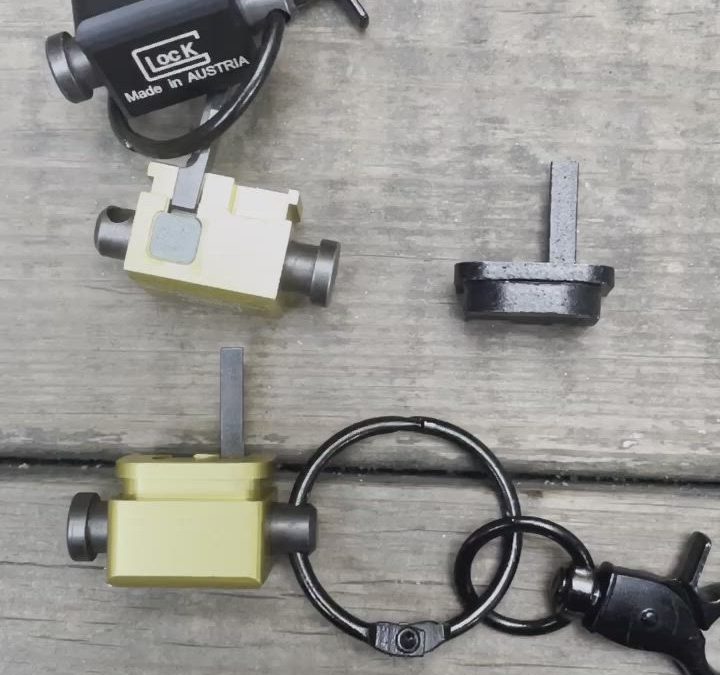
The Ultimate Authority on Glock Switch Components: Comprehensive Legal Framework, Acquisition Protocols, and Ownership Requirements
Table of Contents
- Introduction
- Understanding Glock Switch Mechanisms
- Federal Legal Framework Governing Glock Switches
- State-Level Regulatory Variations and Compliance Requirements
- Lawful Ownership Pathways for Glock Switch Components
- Acquisition Channels and Procurement Guidelines
- Texas-Specific Regulatory Landscape
- Frequently Asked Questions
- Conclusion
- Legal Disclaimer
Introduction
The Glock pistol platform has established itself as one of the most widely recognized and trusted handgun systems globally, celebrated for its exceptional reliability, durability, and consistent performance across diverse operational environments. Within the firearms community, however, a particularly contentious and heavily scrutinized topic frequently emerges in discussions surrounding Glock pistols: the Glock switch mechanism, alternatively referred to as an automatic sear device. This specialized component possesses the capability to transform a standard semi-automatic Glock pistol into a fully automatic firearm system. Glock Switch Parts presents this exhaustive, authoritative guide that meticulously examines the intricate legal frameworks, comprehensive acquisition procedures, and stringent ownership requirements governing Glock switches throughout the United States, with particular emphasis on the regulatory environment within Texas.
Understanding the complexities surrounding these devices requires a thorough examination of federal statutes, state-level regulations, enforcement mechanisms, and the practical implications of ownership. This guide serves as an essential resource for firearms enthusiasts, legal professionals, law enforcement personnel, and anyone seeking to comprehend the multifaceted legal landscape surrounding automatic conversion devices.
Understanding Glock Switch Mechanisms
A Glock switch, commonly designated within the firearms industry as an automatic sear or auto sear device, represents a compact mechanical component engineered to be installed onto a Glock pistol, platform. This device fundamentally alters the firing mechanism, enabling the firearm to discharge ammunition continuously with sustained pressure on the trigger, effectively transforming the weapon’s operational mode from semi-automatic (single round per trigger pull) to fully automatic (continuous fire while trigger remains depressed). This mechanical conversion dramatically amplifies the weapon’s rate of fire, exponentially increasing its firepower output and consequently subjecting it to substantially more stringent regulatory oversight under United States federal firearms legislation.
The technical functionality of these devices involves interfacing with the pistol’s internal firing mechanism, specifically modifying the disconnector and trigger bar interaction to prevent the sear from re-engaging after each shot. This modification allows the firing pin to continuously strike successive rounds as long as ammunition remains in the magazine and the trigger is held in the rearward position. The resulting rate of fire can exceed 1,200 rounds per minute, depending on the specific configuration and ammunition type utilized.
From a regulatory perspective, the Bureau of Alcohol, Tobacco, Firearms, and Explosives (ATF) classifies these devices as machine gun conversion devices, placing them under the most restrictive category of firearms regulation. The physical dimensions of these components are typically compact—often measuring less than one inch in length—yet their legal implications are profound and far-reaching.
Glock Switch Parts emphasizes that understanding the mechanical operation of these devices is essential for comprehending why they are subject to such extensive regulatory control and why unauthorized possession carries severe legal consequences.
Federal Legal Framework Governing Glock Switches
National Firearms Act Provisions
The federal legal architecture governing Glock switches and similar automatic conversion devices is primarily established through the National Firearms Act (NFA) of 1934, subsequently amended and reinforced by the Gun Control Act of 1968 and the Firearm Owners Protection Act of 1986. These legislative frameworks collectively establish comprehensive regulatory controls over fully automatic weapons and devices capable of converting semi-automatic firearms into fully automatic configurations.
The NFA specifically defines and regulates “machine guns” as any weapon that shoots, is designed to shoot, or can be readily restored to shoot more than one shot without manual reloading by a single function of the trigger. Critically, this definition explicitly includes “any part designed and intended solely and exclusively, or a combination of parts designed and intended, for use in converting a weapon into a machine gun.” Glock switches unambiguously fall within this regulatory definition.
The Firearm Owners Protection Act of 1986 introduced a pivotal provision that prohibits the transfer or possession of machine guns manufactured after May 19, 1986, with limited exceptions for government agencies, law enforcement entities, and properly licensed manufacturers and dealers. This effectively closed the machine gun registry to new entries for civilian ownership, creating a finite supply of transferable automatic weapons and conversion devices.
Regulatory Consequences and Penalties
Unauthorized possession, manufacturing, distribution, or transfer of Glock switch devices without appropriate federal authorization constitutes a serious federal felony offense. Individuals convicted of violating these provisions face severe legal consequences, including:
- Federal imprisonment for up to ten years per violation
- Substantial monetary fines reaching up to $250,000 for individuals
- Permanent forfeiture of firearms rights and privileges
- Seizure and confiscation of all firearms and related property
- Enhanced penalties for subsequent offenses or violations involving other criminal activities
The ATF maintains active enforcement operations specifically targeting illegal possession and distribution of automatic conversion devices. Federal prosecutors consistently pursue these cases with significant resources, and conviction rates remain exceptionally high due to the straightforward nature of the statutory violations.
Glock Switch Parts strongly emphasizes that the federal government treats violations involving automatic conversion devices with utmost seriousness, reflecting the perceived public safety implications of unregulated fully automatic firearms in civilian circulation.
Registration and Tax Stamp Requirements
For those devices lawfully registered before the 1986 prohibition, continued legal possession requires strict compliance with NFA registration protocols. This includes:
- Permanent registration of the device with the ATF National Firearms Registration and Transfer Record
- Payment of the mandatory $200 transfer tax for each transaction
- Submission of fingerprints, photographs, and comprehensive background information
- Notification to local chief law enforcement officers
- Approval of transfer applications, which typically require several months to process
- Maintenance of registration documentation and immediate availability for inspection by ATF agents
The registration process serves multiple regulatory purposes, including creating a comprehensive federal database of automatic weapons and conversion devices, ensuring thorough background screening of prospective owners, and establishing clear chains of custody for these highly regulated items.
State-Level Regulatory Variations and Compliance Requirements
While federal law establishes the baseline regulatory framework for Glock switches and automatic conversion devices, individual state legislatures possess authority to implement additional restrictions, prohibitions, or requirements that exceed federal standards. The resulting patchwork of state-level regulations creates a complex compliance landscape that varies dramatically across jurisdictional boundaries.
Restrictive State Frameworks
Numerous states have enacted legislation that completely prohibits civilian possession of fully automatic firearms and conversion devices, regardless of federal registration status. These jurisdictions include California, New York, Massachusetts, New Jersey, Hawaii, Illinois, and several others. In these states, possession of a Glock switch—even if properly registered under federal law—constitutes a state-level criminal offense subject to prosecution under state statutes.
These restrictive frameworks typically classify automatic weapons and conversion devices as prohibited weapons, assault weapons, or dangerous devices, imposing criminal penalties that may include:
- State prison sentences range from several years to decades
- Substantial state-level fines and court costs
- Permanent criminal records affect employment, housing, and civil rights
- Enhanced penalties for possession in conjunction with other criminal activity
Permissive State Frameworks
Conversely, a limited number of states maintain regulatory approaches that align closely with federal requirements without imposing additional state-level restrictions. These jurisdictions generally permit possession of properly registered automatic weapons and conversion devices, provided all federal requirements are satisfied. States in this category include Texas, Montana, Wyoming, Alaska, and several others with traditionally permissive firearms regulatory environments.
Even within permissive states, however, prospective owners must navigate specific state-level procedural requirements, which may include:
- State-level background checks or permits
- Notification requirements for state law enforcement agencies
- Specific storage or transportation regulations
- Restrictions on locations where automatic weapons may be possessed or used
- Reporting requirements for transfers or changes in ownership status
Interstate Transportation Considerations
The transportation of Glock switches and other NFA-regulated items across state lines requires additional federal authorization through ATF Form 5320.20, which must be submitted and approved before interstate movement. This requirement applies even for temporary transportation, such as attending shooting competitions or training courses in other states.
Failure to obtain proper authorization for interstate transportation constitutes a separate federal violation, subject to the same severe penalties as unauthorized possession. Glock Switch Parts advises that individuals considering ownership of these devices must thoroughly research and understand the regulatory requirements of their state of residence, any states they may visit, and all jurisdictions through which they may transport these items.
Glock Switch For Sale
Lawful Ownership Pathways for Glock Switch Components
Federal Registration Procedures
Achieving lawful ownership of a Glock switch requires navigating a complex, time-intensive federal registration process administered by the ATF. The specific procedural pathway depends on whether the individual seeks to transfer an existing registered device or manufacture a new device (which is generally prohibited for post-1986 devices except for properly licensed manufacturers).
Transfer of Existing Registered Devices
For pre-1986 registered Glock switches available for transfer, the acquisition process involves:
Step 1: Identification of Transferable Device
Prospective purchasers must locate a Glock switch that was manufactured and registered before May 19, 1986, and is currently registered in the National Firearms Registration and Transfer Record. The seller must provide documentation verifying the device’s registration status and legal transferability.
Step 2: ATF Form 4 Submission
The purchaser must complete ATF Form 4 (Application for Tax Paid Transfer and Registration of Firearm), providing comprehensive personal information, including:
- Full legal name and all aliases
- Current residential address and address history
- Date and place of birth
- Social Security number
- Citizenship status
- Detailed criminal history information
- Purpose for acquiring the device
Step 3: Supporting Documentation
The application must be accompanied by:
- Two completed FBI fingerprint cards (FD-258)
- Two identical passport-style photographs
- Payment of the $200 transfer tax
- Certification from the transferor regarding the device’s registration status
- Responsible Person Questionnaire if acquiring through a trust or legal entity
Step 4: Law Enforcement Notification
Applicants must provide notification to the chief law enforcement officer (CLEO) in their jurisdiction, though CLEO approval is no longer required following the implementation of ATF Rule 41F in 2016.
Step 5: Background Investigation
The ATF conducts an extensive background investigation, including:
- FBI criminal history database checks
- Review of mental health adjudications and commitments
- Verification of citizenship or legal residency status
- Investigation of any disqualifying factors under federal firearms prohibitions
Step 6: Approval and Transfer
Upon approval, which typically requires 6-12 months or longer, depending on current processing volumes, the ATF returns the approved Form 4 with the tax stamp affixed. Only upon receipt of this approved documentation may the transfer be completed and the device delivered to the purchaser.
Trust and Legal Entity Ownership
Many individuals choose to acquire NFA-regulated items, including Glock switches, through legal entities such as gun trusts, limited liability companies, or corporations. This approach offers several potential advantages:
Simplified Transfer Procedures: Trusts and legal entities can facilitate transfers among trustees or authorized persons without requiring additional ATF approval for each transfer.
Estate Planning Benefits: Properly structured trusts can address succession planning, ensuring that NFA items can be transferred to beneficiaries without probate complications.
Multiple Authorized Possessors: Trusts can designate multiple responsible persons who may lawfully possess the registered items, providing flexibility for shared ownership or use.
Privacy Considerations: Legal entity ownership may provide some degree of privacy regarding individual ownership, though all responsible persons must still undergo background checks.
However, trust-based ownership also involves additional complexity, including:
- Legal costs for proper trust drafting and administration
- Background check requirements for all responsible persons
- Ongoing compliance obligations and record-keeping
- Potential tax implications depending on trust structure
Glock Switch Parts recommends consultation with attorneys specializing in firearms law and estate planning when considering trust-based ownership of NFA items.
Manufacturer and Dealer Licensing
Federal Firearms Licensees (FFLs) holding Special Occupational Taxpayer (SOT) status may manufacture, possess, and deal in machine guns and conversion devices, including post-1986 devices, for specific authorized purposes. This licensing pathway requires:
Type 07 FFL: Manufacturer of firearms license
Class 2 SOT: Manufacturer of NFA firearms tax classification
Or:
Type 10 FFL: Manufacturer of destructive devices, ammunition, and certain other items
Class 2 SOT: Manufacturer of NFA firearms tax classification
SOT holders may manufacture and possess post-1986 machine guns and conversion devices for:
- Demonstration to law enforcement or military agencies
- Development and testing of new designs
- Sale to government agencies
- Export to foreign governments or entities
However, SOT status does not authorize personal ownership of post-1986 devices. Upon surrender or revocation of the FFL/SOT, all post-1986 machine guns and conversion devices must be transferred to other qualified entities or destroyed.
Acquisition Channels and Procurement Guidelines
Authorized Dealer Networks
The lawful acquisition of Glock switches must occur exclusively through authorized channels that comply with all applicable federal and state regulations. Glock Switch Parts emphasizes that the legitimate market for these devices is extremely limited and highly specialized.
Class 3 Dealers: These are Federal Firearms Licensees who have paid the Special Occupational Tax and are authorized to deal in NFA-regulated items, including machine guns and conversion devices. Prospective purchasers should:
- Verify the dealer’s current FFL and SOT status through the ATF’s FFL eZ Check system
- Confirm the dealer’s experience and reputation within the NFA community
- Request documentation proving the device’s registration status and legal transferability
- Ensure all transaction documentation is properly completed and submitted to ATF
- Obtain written confirmation of the device’s manufacturing date and registration history
Private Transfers: Individuals may transfer registered NFA items to other qualified individuals, but all transfers must be processed through the ATF using Form 4, with the same requirements, background checks, and approval processes as dealer transfers.
Market Dynamics and Pricing Considerations
The market for transferable Glock switches and similar conversion devices is characterized by extreme scarcity due to the 1986 prohibition on new registrations. This limited supply, combined with sustained demand from collectors and enthusiasts, has created a market environment where prices significantly exceed the devices’ intrinsic manufacturing costs.
Pricing Factors:
Scarcity Premium: The finite number of transferable devices creates substantial scarcity value, with prices reflecting investment and collectible characteristics rather than purely functional value.
Registration Status: Only devices with clear, verifiable registration in the National Firearms Registration and Transfer Record possess legal transfer value. Unregistered devices have no legitimate market value and represent serious legal liabilities.
Condition and Provenance: Well-maintained devices with documented ownership history and original packaging command premium prices.
Market Demand: Prices fluctuate based on collector interest, regulatory developments, and broader firearms market trends.
Current Market Range: Transferable Glock switches, when available, typically command prices ranging from several thousand dollars to tens of thousands of dollars, depending on the specific factors noted above. This represents a substantial premium over the devices’ manufacturing costs, reflecting their legal scarcity rather than production expenses.
Glock Switch Parts advises prospective purchasers to approach the market with caution, conducting thorough due diligence on both the device’s legal status and the seller’s legitimacy. The high prices and complex legal requirements create opportunities for fraud, misrepresentation, and illegal transactions that can result in severe legal consequences for unwary purchasers.
Identifying Illegal Market Activity
Unfortunately, a substantial illegal market exists for unregistered Glock switches and similar conversion devices. These illegal devices are frequently:
- Imported illegally from foreign manufacturers
- Manufactured domestically without proper licensing or registration
- Sold through online marketplaces, social media platforms, or underground networks
- Marketed with misleading claims about legality or registration status
- Priced significantly below legitimate market values
Glock Switch Parts strongly warns that any involvement with illegal conversion devices—whether as purchaser, possessor, or transferor—constitutes serious federal felony offenses. Law enforcement agencies, including ATF, FBI, and state authorities, actively investigate and prosecute these violations. Common investigative techniques include:
- Undercover operations and controlled purchases
- Monitoring of online marketplaces and social media platforms
- Surveillance of suspected manufacturers and distributors
- Cooperation with international law enforcement to interdict imports
- Analysis of firearms recovered from crime scenes for conversion devices
Individuals who unknowingly purchase illegal devices remain subject to prosecution, as knowledge of the device’s illegal status is not always required for conviction under certain statutory provisions. The only reliable protection is ensuring that all acquisitions occur through properly licensed dealers with complete ATF documentation.
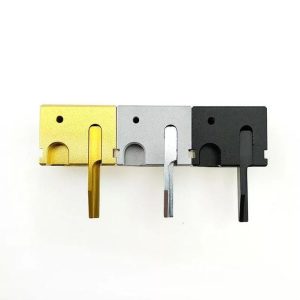
Glock Switch For Sale
Texas-Specific Regulatory Landscape
State Legal Framework
Texas maintains a firearms regulatory environment that generally aligns with federal requirements without imposing substantial additional state-level restrictions on NFA items, including Glock switches and automatic conversion devices. This permissive approach reflects the state’s constitutional and cultural emphasis on firearms rights and individual liberty.
Texas Penal Code Provisions: Texas law does not categorically prohibit possession of machine guns or conversion devices that are lawfully possessed under federal law. Texas Penal Code § 46.05 addresses prohibited weapons but provides exceptions for items possessed in compliance with federal law.
Federal Compliance Requirement: The critical requirement for lawful possession in Texas is full compliance with all federal NFA requirements, including:
- Proper registration with ATF
- Approved Form 4 transfer documentation
- Payment of all required transfer taxes
- Satisfaction of all background check requirements
- Compliance with interstate transportation regulations
State Preemption: Texas law generally preempts local jurisdictions from enacting firearms regulations more restrictive than state law, providing consistency across the state. However, certain locations (schools, government buildings, etc.) remain prohibited regardless of federal registration status.
Law Enforcement Approach and Enforcement Priorities
Texas law enforcement agencies, including the Texas Department of Public Safety, local police departments, and sheriff’s offices, actively enforce federal firearms laws in cooperation with ATF. Enforcement priorities include:
Illegal Possession and Distribution: Agencies prioritize investigation and prosecution of individuals possessing unregistered conversion devices, particularly when associated with other criminal activity such as drug trafficking, gang activity, or violent crime.
Interstate Trafficking: Texas’s border location and major transportation corridors make it a focus for interdiction efforts targeting illegal importation and distribution of conversion devices.
Crime Gun Analysis: Firearms recovered from crime scenes are routinely examined for conversion devices, with positive findings triggering intensive investigations to identify sources and distribution networks.
Community Education: Many agencies conduct outreach efforts to educate firearms owners about legal requirements and the serious consequences of illegal possession.
Penalties Under Texas Law
While Texas law does not impose additional penalties beyond federal requirements for properly registered NFA items, illegal possession of unregistered conversion devices can result in prosecution under both federal and state statutes:
Federal Penalties: As discussed previously, federal violations carry up to 10 years imprisonment and $250,000 fines per violation.
State Penalties: Texas Penal Code § 46.05 classifies unlawful possession of prohibited weapons as a third-degree felony, punishable by:
- 2-10 years in state prison
- Fines up to $10,000
- Permanent criminal record
- Loss of firearms rights
Enhanced Penalties: Possession of illegal conversion devices in conjunction with other criminal offenses can result in enhanced charges, consecutive sentences, and federal prosecution under statutes addressing violent crime, drug trafficking, or organized criminal activity.
Glock Switch Parts emphasizes that Texas’s generally permissive approach to firearms regulation does not extend to illegal conversion devices. Both state and federal authorities aggressively prosecute these violations, and individuals should not mistake Texas’s gun-friendly reputation for tolerance of federal firearms law violations.
Practical Considerations for Texas Residents
Texas residents considering lawful ownership of Glock switches should be aware of several practical considerations:
Shooting Facilities: Not all shooting ranges permit the use of fully automatic firearms. Prospective owners should identify facilities that accommodate automatic weapons and understand their specific rules and requirements.
Storage and Security: While Texas does not impose specific storage requirements for NFA items, responsible ownership demands secure storage to prevent theft, unauthorized access, or accidents.
Transportation: Texas’s large geographic area means that owners may frequently transport NFA items. Understanding federal transportation requirements, including the need for ATF approval for interstate travel, is essential.
Insurance: Standard homeowners or firearms insurance policies may not adequately cover high-value NFA items. Specialized insurance coverage should be considered.
Legal Representation: Given the complex legal landscape and severe consequences of violations, Texas residents involved in NFA ownership should establish relationships with attorneys experienced in firearms law.
Frequently Asked Questions
Can You Legally Purchase and Own a Glock Equipped with an Automatic Sear Device?
Lawful acquisition and ownership of a Glock pistol equipped with an automatic sear device is legally permissible within the United States, but only under strictly defined circumstances requiring comprehensive compliance with federal regulatory frameworks. The essential requirements include:
Pre-1986 Registration: The automatic sear device must have been manufactured and registered with the ATF before May 19, 1986, when the machine gun registry was closed to new civilian entries.
ATF Approval: The prospective owner must submit ATF Form 4, undergo an extensive background investigation, pay the $200 transfer tax, and receive formal approval before taking possession.
State Compliance: The owner must reside in a state that permits possession of registered machine guns and conversion devices.
Ongoing Compliance: The owner must maintain registration documentation, comply with transportation regulations, and remain eligible under federal firearms prohibitions.
Glock Switch Parts emphasizes that these requirements are absolute and non-negotiable. Any deviation from these procedures constitutes serious federal felony violations.
Is Possession of a Glock Switch Prohibited Under Texas Law?
Glock switches are not categorically prohibited under Texas state law for individuals who maintain full compliance with federal regulatory requirements. Texas law generally defers to federal NFA regulations regarding machine guns and conversion devices, meaning that properly registered devices possessed in accordance with ATF approval are lawful under state law.
However, this permissive approach applies exclusively to devices that are:
- Properly registered in the National Firearms Registration and Transfer Record
- Possessed pursuant to approved ATF Form 4 documentation
- Maintained in compliance with all federal requirements
Unregistered Glock switches remain illegal under both federal and Texas state law, subject to prosecution under multiple statutory provisions. Texas law enforcement agencies actively investigate and prosecute illegal possession, often in coordination with federal authorities.
Glock Switch Keychain | Glock Switch Keychain For Sale
Are Automatic Conversion Switches Legal in Any State Jurisdiction?
Automatic conversion switches, including Glock switches,, are potentially legal in several state jurisdictions, provided all federal requirements are satisfied. States that generally permit possession of properly registered NFA items include:
- Texas
- Montana
- Wyoming
- Alaska
- Arizona
- Idaho
- Utah
- Nevada
- Oklahoma
- Kansas
- Missouri
- Arkansas
- Louisiana
- Mississippi
- Alabama
- Georgia
- Florida
- South Carolina
- North Carolina
- Tennessee
- Kentucky
- West Virginia
- Indiana
- Ohio
- Pennsylvania
- New Hampshire
- Vermont
- Maine
However, even within these generally permissive states, specific localities may impose additional restrictions, and federal requirements remain absolute. States that prohibit civilian possession of machine guns and conversion devices, regardless of federal registration include:
- California
- New York
- New Jersey
- Massachusetts
- Connecticut
- Rhode Island
- Maryland
- Delaware
- Illinois
- Hawaii
- Washington D.C.
Glock Switch Parts strongly advises prospective owners to research both federal and state requirements thoroughly and consult with legal professionals before attempting acquisition.
Where Can Lawful Acquisition of Glock Switches Occur?
Lawful acquisition of Glock switches can occur exclusively through authorized channels that comply with all federal and state regulations:
Class 3 Dealers: Federal Firearms Licensees with Special Occupational Taxpayer status who specialize in NFA items represent the primary legitimate source. These dealers maintain inventories of transferable devices and facilitate the ATF approval process.
Private Transfers: Individuals may sell registered NFA items to other qualified individuals, but all transfers must be processed through ATF Form 4 with the same approval requirements as dealer transfers.
Estate Transfers: Registered NFA items may be transferred through estates to qualified heirs, subject to ATF approval and compliance with all requirements.
Glock Switch Parts emphasizes that no other acquisition channels are legal. Online marketplaces, social media platforms, unlicensed sellers, and foreign sources offering Glock switches without proper ATF documentation represent illegal transactions that will result in federal prosecution.
Can You Purchase a Glock Switch Component Without the Sear Mechanism?
Purchasing a Glock switch component without the sear mechanism does not circumvent federal regulatory requirements or provide any legal advantage. The ATF’s regulatory definition of machine guns includes “any part designed and intended solely and exclusively, or a combination of parts designed and intended, for use in converting a weapon into a machine gun.”
Glock switch components, whether complete or partial, fall within this definition if they are designed and intended for automatic conversion purposes. Possession of such components without proper ATF registration and approval constitutes the same federal violation as possession of complete devices.
Some sellers may attempt to market Glock switch components with claims that they are “legal” because they are incomplete or require additional parts. These claims are false and misleading. The ATF has consistently taken the position that conversion device components are regulated as machine guns regardless of their completeness.
Glock Switch Parts warns that individuals should not be deceived by such marketing claims. Any component designed for automatic conversion purposes requires the same registration and approval as complete devices.
Where Are Individuals Acquiring Fully Automatic Conversion Switches for Glock Pistols?
Individuals acquire fully automatic conversion switches through both legal and illegal channels:
Legal Channels:
- Class 3 dealers specializing in NFA items
- Private transfers of properly registered devices
- Estate transfers with ATF approval
Illegal Channels:
- Illegal importation from foreign manufacturers, particularly from China
- Domestic illegal manufacturing operations
- Online marketplaces and social media platforms
- Underground networks and black market dealers
The illegal market for Glock switches has expanded significantly in recent years, driven by:
- Ease of manufacturing using modern machining and 3D printing technology
- Low production costs
- High demand from individuals seeking to avoid legal requirements
- International trafficking networks
Law enforcement agencies report recovering increasing numbers of illegally possessed Glock switches, particularly in connection with drug trafficking, gang activity, and violent crime. The ATF has designated illegal conversion devices as a priority enforcement area, dedicating substantial resources to investigation and prosecution.
Glock Switch Parts strongly emphasizes that any involvement with illegal acquisition channels carries severe legal consequences. The temporary cost savings or convenience of illegal acquisition are vastly outweighed by the risk of federal prosecution, imprisonment, and permanent loss of firearms rights.
What is the Current Market Price for Glock Switches?
The market price for lawfully transferable Glock switches varies substantially based on multiple factors, but generally ranges from several thousand dollars to tens of thousands of dollars. This pricing reflects:
Scarcity Value: The finite number of pre-1986 registered devices creates a substantial scarcity premium.
Legal Status: Only properly registered devices possess legitimate market value.
Collector Demand: Many purchasers view transferable NFA items as investments and collectibles.
Market Conditions: Prices fluctuate based on broader firearms market trends, regulatory developments, and economic conditions.
Specific pricing considerations include:
Entry-Level Devices: Basic, functional Glock switches in average condition typically command prices starting around $5,000-$10,000, though availability at these price points is extremely limited.
Premium Devices: Well-maintained devices with documented provenance, original packaging, and desirable characteristics may command prices of $15,000-$30,000 or more.
Market Volatility: Prices can fluctuate significantly based on availability, regulatory developments, and collector interest.
In contrast, illegally manufactured and distributed Glock switches are often marketed at prices ranging from $50-$500, reflecting their illegal status and lack of registration. These dramatically lower prices should serve as immediate warning signs of illegal activity.
Glock Switch Parts advises that legitimate market prices reflect the legal scarcity and collectible nature of these devices. Prices significantly below market norms almost certainly indicate illegal devices that will result in federal prosecution if acquired or possessed.
Conclusion
The ownership, acquisition, and possession of Glock switches and automatic conversion devices represent one of the most heavily regulated areas of firearms law in the United States. The complex interplay of federal statutes, ATF regulations, state laws, and enforcement priorities creates a legal landscape that demands a thorough understanding, meticulous compliance, and ongoing vigilance.
Glock Switch Parts has endeavored to provide comprehensive, authoritative guidance on the legal frameworks governing these devices, with particular emphasis on the regulatory environment in Texas. The key principles that emerge from this analysis include:
Federal Requirements Are Absolute: Compliance with NFA registration, ATF approval processes, and ongoing regulatory obligations is non-negotiable. No state law, personal belief, or practical consideration excuses violations of federal requirements.
State Laws Vary Significantly: While some states permit possession of properly registered NFA items, others prohibit them entirely. Understanding both federal and state requirements is essential.
Legal Acquisition Channels Are Limited: Only properly licensed dealers and approved private transfers represent legitimate acquisition sources. The illegal market is extensive but carries severe legal consequences.
Enforcement Is Aggressive: Federal and state law enforcement agencies prioritize the investigation and prosecution of illegal conversion device violations. Detection and conviction rates are high.
Penalties Are Severe: Federal violations carry up to 10 years imprisonment and $250,000 fines, along with permanent loss of firearms rights and other collateral consequences.
Legal Ownership Is Possible: For individuals willing to navigate the complex regulatory requirements, invest substantial financial resources, and maintain ongoing compliance, legal ownership of properly registered Glock switches remains possible in permissive jurisdictions.
The decision to pursue ownership of a Glock switch should not be made lightly. Prospective owners must carefully consider:
- The substantial financial investment required
- The extensive time commitment for ATF approval processes
- The ongoing compliance obligations and record-keeping requirements
- The limited practical utility of these devices for most lawful purposes
- The potential legal risks if compliance lapses or documentation is lost
- The restrictions on transportation, use, and transfer
For those who proceed with acquisition, Glock Switch Parts strongly recommends:
- Consultation with attorneys specializing in firearms law
- Exclusive use of reputable, licensed dealers with extensive NFA experience
- Thorough documentation of all transactions and approvals
- Secure storage and insurance coverage
- Ongoing education regarding regulatory developments and compliance requirements
- Membership in organizations that provide legal resources and support for NFA owners
The landscape of firearms regulation continues to evolve, with ongoing legislative proposals, regulatory initiatives, and enforcement priorities that may affect the legal status and practical ownership of automatic conversion devices. Responsible ownership requires staying informed about these developments and adapting compliance practices accordingly.
Ultimately, the decision to own a Glock switch represents a significant commitment to understanding and complying with some of the most complex and strictly enforced regulations in American firearms law. Glock Switch Parts hopes this comprehensive guide provides the foundational knowledge necessary to make informed decisions and maintain lawful compliance.
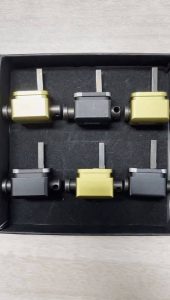
Glock Switch For Sale | Buy Glock Switch Online
Legal Disclaimer
This comprehensive guide is provided by Glock Switch Parts exclusively for informational and educational purposes. The content presented herein does not constitute legal advice, should not be construed as encouraging or facilitating any illegal activity, and does not create an attorney-client relationship between Glock Switch Parts and any reader.
Firearms laws, regulations, and enforcement priorities vary significantly across federal, state, and local jurisdictions and are subject to frequent modification through legislative action, regulatory changes, and judicial interpretation. The information presented in this guide reflects the legal landscape as understood at the time of publication, but may not account for recent developments or jurisdiction-specific variations.
Individuals considering acquisition, ownership, or possession of Glock switches, automatic conversion devices, or any NFA-regulated items should:
- Consult with qualified legal professionals specializing in firearms law in their specific jurisdiction
- Verify current federal and state requirements with the Bureau of Alcohol, Tobacco, Firearms, and Explosives
- Obtain professional legal representation before engaging in any transactions or activities related to NFA items
- Recognize that laws and regulations may change without notice
Glock Switch Parts makes no representations or warranties regarding the accuracy, completeness, or currentness of the information presented. Reliance on this information without independent legal consultation is undertaken at the reader’s own risk.
Glock Switch Parts explicitly disclaims any liability for legal consequences, financial losses, or other damages arising from reliance on this guide or from any actions taken based on its content. The severe legal consequences associated with violations of federal firearms laws demand professional legal guidance tailored to individual circumstances.
This guide should not be interpreted as encouraging or facilitating illegal activity. Glock Switch Parts strongly advocates for full compliance with all applicable federal, state, and local laws and regulations governing firearms and related devices.
For specific legal advice regarding your individual circumstances, consult with a qualified attorney licensed to practice in your jurisdiction who specializes in firearms law and NFA regulations.